Case Study: Guildford Victorian Townhouse Move, Tight Access
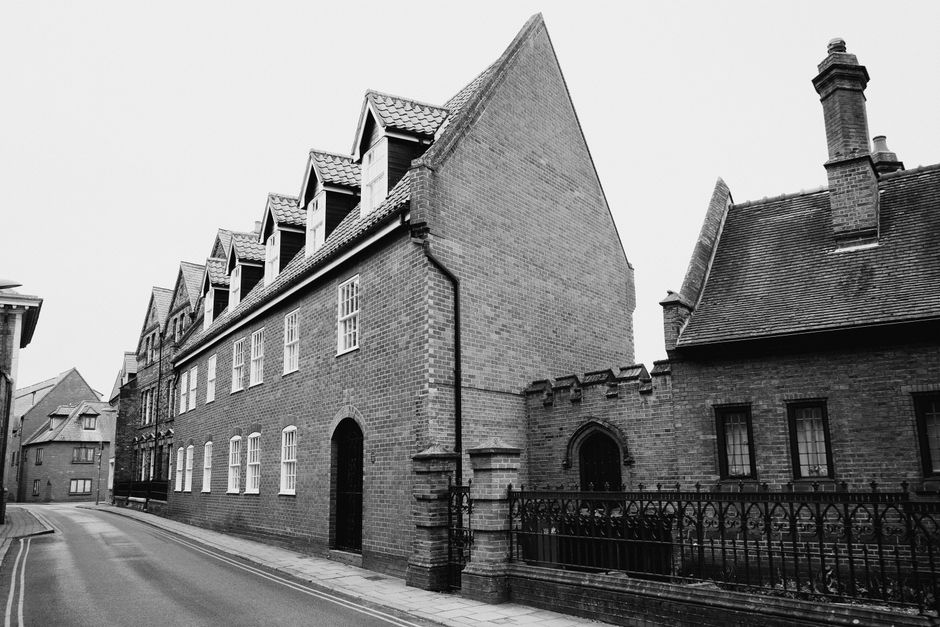
Moving a Victorian townhouse is rarely straightforward, and in Guildford, tight access can turn a carefully planned removal into a real puzzle. Narrow front paths, awkward staircases, delicate interiors, parking limits, and neighbours who quite rightly don't want chaos on the pavement all come into play. This case study on a Guildford Victorian townhouse move with tight access looks at what actually matters on the day, how the right approach keeps things moving, and why small decisions before the move can save a lot of stress later. If you are planning a similar move, you will find practical guidance here rather than vague theory.
Let's face it: the building may be beautiful, but Victorian houses were not designed with modern furniture or removal lorries in mind. That mismatch is exactly why these moves reward careful planning. In this article, we break down the process step by step, explain the risks and benefits, and show how to think about access, protection, timing, and team coordination in a way that feels manageable.
Why Case Study: Guildford Victorian Townhouse Move, Tight Access Matters
A move like this matters because the real challenge is not the distance between addresses. It is the access. A Victorian townhouse can look spacious from the street, yet still be unforgiving once you start bringing sofas, wardrobes, bed frames, and boxes through a narrow hallway or up a winding staircase. In Guildford, that can be amplified by older residential layouts, limited on-street space, and the simple fact that a large removal vehicle may not be able to park right outside the door.
In our experience, tight-access moves expose weak planning very quickly. If the survey is rushed, if the inventory is vague, or if no one checks whether a sofa will actually clear the stairwell, the day becomes a series of compromises. Not dramatic, usually. Just frustrating. And that is enough. A small delay at 8:30 in the morning can ripple through the whole schedule by lunchtime.
There is also a preservation angle. Victorian properties often include original features such as banisters, plasterwork, tiled floors, sash windows, and narrow doorways. These features are part of the charm, but they are also the parts most likely to be damaged if protection is rushed or the move team is not briefed properly. So yes, the case study is about logistics, but it is also about respecting the building itself.
Key point: with tight access, the quality of the pre-move survey is just as important as the removal team on the day.
How Case Study: Guildford Victorian Townhouse Move, Tight Access Works
A successful tight-access townhouse move works by reducing uncertainty before moving day. That usually starts with a site assessment, which may include checking the width of entrances, the slope or condition of steps, parking proximity, turning space for the vehicle, and whether larger items need partial dismantling before they can be moved safely.
From there, the move is planned around the route through the property. That sounds obvious, but it often gets missed. One flight of stairs may be too narrow for a sofa to turn cleanly. A chest of drawers may need to be carried vertically rather than horizontally. A heavy wardrobe might be safer when broken down in advance. Small detail, big difference.
On the day itself, the team usually works in a sequence: protect the property, move the easiest items first, handle bulky or awkward items with the right number of people, and keep the load order efficient so the van is packed in a way that avoids rehandling. When access is tight, every extra lift costs time and increases the chance of scuffing walls or floors. That is why good removals planning is almost choreography.
You will also often see contingency planning built in. For example, if a vehicle cannot stay at the door, the team may use shorter carrying distances with more trips, a smaller shuttle vehicle, or a staggered loading plan. No one loves these adjustments, to be fair, but they are far better than forcing a risky manoeuvre just to save a few minutes.
Key Benefits and Practical Advantages
The benefits of planning a move like this properly are not abstract. They show up in small, useful ways you can feel during the day.
- Less risk of damage: Proper route planning and protection reduce the chance of chipped paint, dented bannisters, and scratched floors.
- Better timing: Tight-access work is easier to control when the route, parking, and item order are planned in advance.
- Lower stress: When everyone knows where bulky items are going and how they will be carried, the day feels calmer.
- Safer handling: The right lifting technique and team size matter more in narrow Victorian layouts than in modern boxy homes.
- More predictable costs: Good planning reduces the chance of overtime, extra labour, or avoidable second trips.
There is another benefit that people sometimes overlook: confidence. If you are living in a period property with original details, you want to know the move team understands what they are dealing with. A confident crew will still be cautious, but not hesitant. That balance matters. Too cautious and the move drags. Too quick and the house suffers. The sweet spot is where things are tidy, deliberate, and efficient.
For many households, that means better overall value even if the move itself looks more complex on paper. The cheap option that does not plan for access often becomes the expensive one by the end of the day. Funny how that works.
Who This Is For and When It Makes Sense
This kind of move makes sense for anyone handling a property where access is likely to be the main challenge rather than distance or volume alone. It is especially relevant if you are moving from a Victorian townhouse, a terraced period home, or a property with one or more of the following characteristics:
- narrow hallways or staircases
- steep steps at the front entrance
- restricted parking outside the house
- shared access with neighbours
- delicate internal features that need protection
- large furniture that may not fit through standard turning spaces
It also makes sense if you are downsizing, moving with antiques, or handling a family home full of mixed furniture styles gathered over years. That tends to be where the surprises hide. The old sideboard, the king-size bed, the mirror with the awkward frame, the filing cabinet nobody thought about until the hallway looked too small. Happens all the time.
Commercial clients and landlords may also need this approach when a townhouse is being emptied between tenancies or prepared for sale. In those cases, the value is partly in speed, but also in preserving the condition of the property for viewings, inventory checks, or new occupants. A careful move helps the house still look like itself afterwards, which sounds simple, though it is not always easy.
Step-by-Step Guidance
If you are planning a Guildford Victorian townhouse move with tight access, the best approach is to treat it as a sequence, not a single event. Here is a practical way to think about it.
1. Start with an access survey
Measure the key pinch points: doorway widths, stair bends, entrance height, outside steps, and the distance from the property to the parking point. Even a rough tape measure check can reveal whether larger items need dismantling or whether specialist carrying equipment will be needed.
2. Identify the awkward items early
List the furniture and appliances most likely to cause trouble. Wardrobes, large sofas, marble-topped tables, grandfather clocks, and mattresses can all need extra thought. Do not leave this until the morning of the move. That is when people start saying, "It'll probably fit," which is usually the beginning of trouble.
3. Decide what should be dismantled
Some furniture is safer and easier to move in parts. Beds, shelving, and flat-pack items often benefit from partial dismantling, provided it is done in a way that can be reassembled cleanly later. Keep fixings labelled and bagged. Simple but vital.
4. Plan the parking and loading point
If the removal vehicle cannot sit close to the entrance, plan the next best option. A slightly longer carry can be fine if it is deliberate. What matters is that the route is clear, the handover point is understood, and there are no avoidable obstructions such as bins, bikes, or overhanging branches.
5. Protect the property before moving anything
Floor runners, stair protection, corner guards, and door coverings are worth their weight in saved repairs. Period houses can have softer surfaces and more delicate trim than newer builds, so protection is not an optional extra. It is part of the move.
6. Load in the right order
Heavy and sturdy items usually go first, but the exact loading order should reflect access, fragility, and the need to avoid repeated handling. If the van is packed badly, the team ends up moving items twice. No one wants that, least of all on a wet Guildford morning.
7. Keep communication simple and continuous
One person should ideally direct the move on site. Clear instructions matter more than long conversations. A quick "hold there," "turn upright," or "wait for the landing" can prevent damage and reduce hesitation.
8. Do a final sweep before departure
Check cupboards, loft spaces, under-stairs storage, and behind doors. It sounds basic, but missed items are still one of the most common sources of annoyance. You only need to forget the kettle once to remember the lesson forever.
Expert Tips for Better Results
Here are the things that tend to make the biggest difference in a tight-access move, especially in an older townhouse where the margin for error is small.
- Use a pre-move walk-through: Walk the route from front door to van with the main items in mind. It helps you spot trouble before it becomes a problem.
- Photograph narrow points: Pictures of stairs, halls, and door frames can help everyone visualise the movement route ahead of time.
- Separate the fragile from the awkward: A fragile item needs gentle handling; an awkward item needs good planning. Sometimes it needs both.
- Keep essentials apart: Put day-one essentials in clearly marked boxes so they are not buried under heavy furniture in the van.
- Allow a bit of breathing room: Tight scheduling and tight access do not mix well. A little slack in the plan reduces pressure.
- Think about weather: Rain, frost, or mud can change access conditions fast. A dry route can become slippery in no time.
A small but useful tip: if you have a very tight staircase, protect the landing corners before you move the first item. People often wait too long. By then, the first bump has already happened. We have all seen that look on someone's face after the first scuff. Not ideal.
Another quiet truth is that good movers do not just muscle through the job. They pause when needed. They measure twice. They reposition rather than forcing a carry. That is not hesitation. That is experience showing up in plain clothes.
Common Mistakes to Avoid
Most problems in this type of move come from a handful of predictable mistakes. The good news is that nearly all of them are avoidable.
- Ignoring access until moving day: If you leave the survey too late, you lose your chance to plan properly.
- Underestimating the size of furniture: Sofas and wardrobes often seem smaller in your mind than they are in reality.
- Assuming the van will park at the door: Parking assumptions cause more stress than people expect.
- Skipping property protection: One careless scrape can undo the goodwill of an otherwise smooth move.
- Not labelling boxes clearly: In a tight move, speed matters, and unclear boxes slow everything down.
- Forgetting building quirks: Victorian staircases are not standard. They can turn, pinch, or narrow in ways that surprise people.
- Trying to force oversized items through: If it does not fit, it does not fit. Forcing the issue usually creates damage or delay.
One of the sneakiest mistakes is assuming the move will feel like a normal house move, only a bit slower. It usually does not. Tight access changes the rhythm entirely. Once you accept that, the planning gets better almost immediately.
Tools, Resources and Recommendations
The right tools make a noticeable difference in a townhouse move with restricted access. You do not need an enormous kit, but you do need sensible equipment and a practical mindset.
| Tool or resource | Why it helps | Best used for |
|---|---|---|
| Measuring tape | Checks door widths, stair turns, and furniture clearance | Pre-move surveying |
| Furniture blankets | Protects polished surfaces and painted edges | Wooden furniture, mirrors, and sideboards |
| Floor runners | Reduces wear and scuffs on original flooring | Entrances, hallways, and staircases |
| Corner protectors | Helps prevent chips on walls and banisters | Landing turns and narrow corridors |
| Dismantling tools | Allows bulky items to be broken down safely | Beds, shelving, and modular furniture |
| Labelling materials | Keeps boxes and fixings organised | Reassembly and unpacking |
If you are moving a period property, it is sensible to think beyond the obvious equipment list. For example, temporary padding for wall edges, furniture sliders for small adjustments, and zip ties or resealable bags for hardware can make a surprisingly big difference. None of these are glamorous. All of them help.
It can also help to prepare a simple room-by-room list, especially if the property has unusual shapes or split-level layouts. In a Victorian townhouse, "upstairs" is not always enough of a location note. The middle landing matters. The front bedroom matters. The small box room under the eaves matters. Tiny details, but they save time.
Law, Compliance, Standards, or Best Practice
While a domestic move is not usually about heavy regulation in the way some other services are, there are still important UK best-practice considerations. Safe lifting, sensible traffic planning, and care for shared spaces all matter. If a vehicle needs to stop in a restricted area, parking and access arrangements should be handled responsibly and, where necessary, in line with local requirements. In Guildford, as in any town, being considerate about pavement obstruction, driveway access, and neighbour disruption is more than good manners; it helps the whole move run smoothly.
From a professional standpoint, best practice means using trained staff, suitable moving equipment, and a method that reduces risk to people and property. If the move involves awkward lifts, stairs, or the handling of heavy items, the team should work within safe manual handling principles rather than taking shortcuts. That is especially important in older homes where stair geometry and tight doorways can create unusual carrying angles.
Insurance is another point worth checking. A trustworthy removal operation should be able to explain how property damage, transit risk, and public liability are handled. The details vary, so it is sensible to ask direct questions rather than assume. You are not being awkward. You are being sensible. There is a difference.
Finally, if the property is leasehold, shared, or within a managed building arrangement, there may be building-specific rules about access times, lift use, or common areas. Victorians may be old, but people are still people; a quick bit of coordination with neighbours or property managers can prevent unnecessary friction.
Options, Methods, and Comparison
For a Guildford Victorian townhouse move with tight access, there is rarely just one way to handle the job. The best method depends on property layout, furniture size, vehicle access, and how much time you have. Here is a simple comparison.
| Method | Best for | Pros | Trade-offs |
|---|---|---|---|
| Standard full-size removals van | When street access is reasonably close | Efficient loading, fewer trips | Can be awkward if parking is tight or streets are narrow |
| Shuttle approach with smaller vehicle | Where the main van cannot reach the door | Better access to narrow roads and tight corners | May require extra handling and more time |
| Partial dismantling before moving | Large furniture and stair-heavy homes | Improves clearance and reduces risk | Requires careful reassembly and organisation |
| Specialist carry team for awkward items | Heavy antiques, pianos, or oversize pieces | Improved control and safety | May not be needed for a standard contents load |
The right option is often a blend. For instance, a townhouse move may use a full van for most boxes and a smaller vehicle or extra carrying team for the awkward pieces. That hybrid approach is not flashy, but it works. Frankly, on a tight-access street, practical usually beats impressive.
If you are deciding between methods, the real question is not "Which is cheapest?" but "Which is least likely to create avoidable problems on the day?" A move that arrives with the wrong vehicle or the wrong expectation tends to cost more in stress than people first realise.
Case Study or Real-World Example
Here is a realistic example of how this kind of move might unfold.
A family was moving from a Victorian townhouse in Guildford into a nearby home, but the front access was narrow and the pavement space outside the property was limited. The house had a curved staircase, a narrow landing, and a few original features that made the interior feel charming but not especially forgiving. The largest items included a sofa, a wardrobe, two beds, and several antique pieces inherited from relatives.
Before the move, the team carried out a walk-through and identified the main pinch points. The wardrobe would not turn cleanly on the first landing unless it was dismantled, so that was done in advance. Floor runners were laid from the front door through the hallway. The van could not sit directly outside for the full duration, so the load plan was adjusted to reduce carrying back and forth. A second person was assigned to guide items around the stair bend. Simple, really, but it changed everything.
What made the day work was not luck. It was restraint. The team did not try to force the big items through the stairs. They paused, adjusted, and took the safer route. One mirror was especially awkward; it needed extra wrapping and a slower carry than the rest of the furniture. That kind of thing can feel annoying in the moment, but it is exactly the right instinct.
By early afternoon, the move was finished without damage to the staircase or the furniture. There were still the usual moving-day oddities-a missing phone charger, one box labelled simply "misc," and the faint smell of dust that old houses seem to hold onto-but the property was left tidy and intact. That is the real win. Not drama. Just a clean, controlled move.
Practical Checklist
Use this checklist if you are preparing for a tight-access townhouse move. It keeps the essentials in one place and helps reduce last-minute surprises.
- Measure all narrow doorways, hallways, and stair turns
- Check where the removal vehicle can safely park
- Identify the bulkiest items early
- Decide which furniture needs dismantling
- Label fragile boxes clearly
- Prepare floor and stair protection
- Set aside screws, bolts, and fixings in labelled bags
- Confirm access times and any property-specific restrictions
- Pack a day-one essentials bag
- Photograph valuable or fragile items before the move
- Keep a clear route from the front door to the van
- Leave a final room-by-room sweep for the end
If you can complete most of this list before moving day, you are in a much stronger position. Not perfect, maybe. But strong enough to keep the day calm, which is what matters most.
Conclusion
A Guildford Victorian townhouse move with tight access is all about respect: respect for the building, respect for the furniture, and respect for the time it takes to do the job properly. The most successful moves are not the fastest-looking ones. They are the ones where the planning is solid, the route is clear, and the people involved stay calm when the first awkward item refuses to cooperate.
When you treat access as the main issue rather than an afterthought, everything becomes easier to manage. You protect the property, reduce stress, and give yourself a much better chance of a smooth move. That is especially true in older homes, where the character is wonderful but the margins are a bit narrow. To be fair, that is part of the appeal too.
Get a free quote today and see how much you can save.
And if you are standing in a hallway wondering how on earth the wardrobe is going to make that turn, take a breath. There is usually a sensible way through it.
Frequently Asked Questions
What makes a Victorian townhouse move more difficult than a standard house move?
Victorian townhouses often have narrow staircases, tight hallways, and original features that limit space. That means larger furniture can be harder to manoeuvre, and the route through the property needs more planning than in a newer home.
Why is tight access such a big issue in Guildford townhouse moves?
Tight access affects parking, carrying distance, and the ability to turn bulky items safely. In a town like Guildford, older residential streets and limited outside space can make those access details the main challenge on the day.
Should I dismantle furniture before moving day?
For many large items, yes. Beds, shelving, and some wardrobes are often easier to move in parts. The key is to dismantle only what can be reassembled properly later, and to keep all fixings clearly labelled.
How do I know if my sofa or wardrobe will fit through the staircase?
Measure the width of the item and compare it to the narrowest points on the route, including turns and landings. A removal professional can also advise after a site survey, especially if the staircase bends or narrows unusually.
What happens if the removal lorry cannot park right outside the house?
The team may use a longer carry route, a smaller vehicle, or a shuttle-style approach. This is common in tight-access moves, and it is usually manageable if planned in advance rather than discovered on the day.
Is property protection really necessary for a short move?
Yes. Even a short carry can damage walls, floors, or banisters if the route is tight. Protection is especially important in period properties where original features may be more delicate than they first appear.
How far in advance should I plan a tight-access house move?
As early as possible. Even a brief walk-through a few weeks ahead can reveal awkward items, parking limitations, or access issues that need time to solve. Leaving it until the last minute usually makes the move harder.
What should I pack separately for the first day in the new house?
Keep essentials such as chargers, toiletries, basic kitchen items, medication, important documents, and a change of clothes in a clearly marked box or bag. That way, you do not end up searching through half the van at 9 p.m.
Are antique or fragile items a problem in a tight-access move?
They can be, mainly because they need both careful handling and enough space to move safely. Padding, proper wrapping, and a slower pace are often needed, especially for mirrors, lamps, or inherited furniture with odd dimensions.
How can I make the move less stressful on the day?
Keep communication simple, label boxes clearly, protect the route through the house, and avoid last-minute changes where possible. A calm, prepared move always feels better than a rushed one, even if the property itself is a bit fussy.
What if I am not sure whether my home counts as tight access?
If you are unsure, assume it might. If there are narrow stairs, limited parking, or bulky items that will need careful handling, it is better to plan for restricted access than to discover the problem halfway through loading.
Can a tight-access move still be completed efficiently?
Yes, absolutely. Efficient does not always mean quick in the usual sense. It means the route is planned, the right equipment is used, and the team avoids unnecessary handling. Done well, a tight-access move can still run very smoothly.