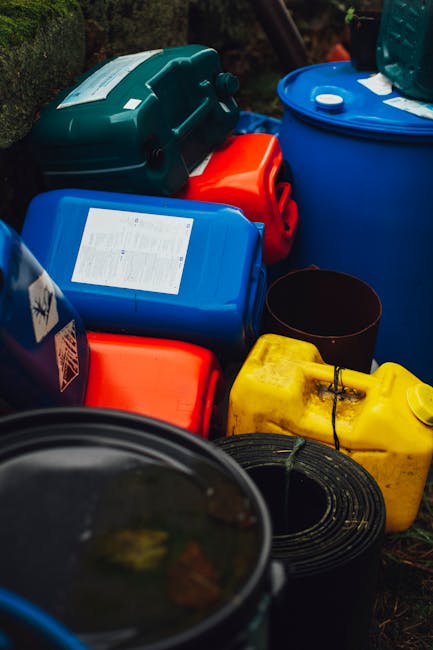
Hazardous Waste Rules for Surrey Moves: Batteries & Paint
Moving house or relocating a business sounds straightforward until you open a cupboard and find a half-used tin of emulsion, a box of loose batteries, and maybe that old can of gloss you meant to "deal with later". That is exactly where the Hazardous Waste Rules for Surrey Moves: Batteries & Paint start to matter. These items are small, but they can cause real problems if they are packed with general waste, leaked into boxes, or handed over without the right handling.
If you are planning a move in Surrey, the good news is that most of the stress is avoidable. With a bit of planning, you can separate what can travel, what must be disposed of first, and what should be handled as hazardous or special waste. This guide explains the rules in plain English, shows you the practical steps, and helps you make sensible decisions without getting lost in jargon. If you are also arranging a home move or a business relocation such as commercial moves, getting this bit right early can save a lot of last-minute panic. And let's face it, nobody wants to be the person sealing a box of paint tins five minutes before the van arrives.
Why Hazardous Waste Rules for Surrey Moves: Batteries & Paint Matters
Batteries and paint are common in both homes and workplaces, which is exactly why they are easy to overlook. A single forgotten battery can short-circuit if it touches metal items in a box. A partly full paint tin can leak, tip, or emit fumes if stored badly in a warm vehicle. None of that is dramatic in the cinema sense, but in real life it is still messy, expensive, and inconvenient.
For moving day, the practical issue is not just cleanliness. It is safety, compliance, and protecting other belongings. Wet paint can stain furniture and cardboard in minutes. Damaged batteries can overheat, corrode, or swell. Even when the risk is small, the consequences are annoying enough to deserve proper attention. A move is already full of noise, tape, dust, and the occasional lost screwdriver. You do not need chemical spills in the mix.
There is also a trust issue. If you are hiring help, whether that is man and van support, man with van services, or a larger moving truck, the moving team needs to know what is in the load. Most removalists prefer clear instructions and properly separated hazardous items. That helps them protect the vehicle, follow safe handling procedures, and avoid unpleasant surprises halfway down the road.
Expert takeaway: The safest move is rarely the fastest one at packing time. It is the one that keeps batteries isolated, paint controlled, and everyone clear on what cannot simply go in a normal box.
How Hazardous Waste Rules for Surrey Moves: Batteries & Paint Works
The basic idea is simple: if an item could leak, react, ignite, corrode, or contaminate other waste streams, it should not be treated as ordinary household rubbish. In practice, batteries and paint sit in a grey area for many people because they are common, familiar, and often only partly used. That familiarity is the trap.
Batteries need special attention because different types behave differently. Loose button cells, alkaline batteries, rechargeable packs, and lithium batteries are not all the same. Some are more prone to heating or damage than others. The main rule during a move is to prevent contact, prevent crushing, and stop terminals from touching metal objects or each other. Tape over exposed terminals where appropriate, and keep them in a dedicated container rather than mixed with general packing materials.
Paint needs a different approach. Water-based paint may be less problematic than solvent-based paint, but both can create a mess if tins are open, half-filled, or badly sealed. Before a move, check whether the paint is worth transporting, whether it can be safely finished up, or whether it should be disposed of separately. Empty containers and cured residue are very different from usable paint, and that distinction matters. If a tin is leaking, rusted, or bulging, it should be handled cautiously and not just tossed into the nearest box "for later". That later rarely arrives in a tidy way.
If you are moving office stock or workshop materials, the same principle applies. Keep a simple inventory, label items clearly, and separate anything uncertain. For larger relocations, services such as office relocation services and packing and unpacking services can be useful because they bring structure to the process. Structure is underrated, honestly.
Key Benefits and Practical Advantages
Handling hazardous waste correctly is not just about avoiding trouble. It makes the whole move smoother. Here is what good preparation gives you in real terms:
- Less damage to other items: Batteries and paint stay away from soft furnishings, paperwork, clothing, and electronics.
- Lower spill risk: Well-sealed tins and insulated battery storage reduce the chance of leaks during transport.
- Cleaner loading and unloading: No one wants to unpack a box and discover a paint smell clinging to everything inside.
- Faster sorting at destination: When hazardous items are grouped and labelled, they are easier to deal with after arrival.
- Better compliance: You are more likely to meet the normal expectations of household, commercial, and waste-handling practice.
- More confidence on moving day: Small, sensible controls reduce that nagging feeling that something could go wrong.
There is also a commercial benefit if you are moving a business. Staff can keep working more safely when batteries and paint are handled separately from general stock. That matters in offices, retail settings, and trade premises where time really is money. A good moving plan keeps the load tidy and reduces the number of "we'll sort it out later" decisions. Truth be told, later can become a problem very quickly.
Who This Is For and When It Makes Sense
This guidance is relevant to a surprisingly wide range of people. It is for anyone moving from a flat, house, studio, office, shop, workshop, or storage unit who has batteries, paint, or both in the property. If that sounds like most people, well, yes. That is the point.
You will find it especially useful if you are:
- moving home and clearing cupboards, sheds, lofts, or garages;
- relocating an office with spare batteries, printer supplies, or maintenance materials;
- moving a trade, creative, or maintenance business where paint is regularly stored;
- using a removal truck hire option and need to prepare the load yourself;
- organising a smaller local move where a compact load still contains mixed materials;
- sorting out bulky furniture and boxed items with a furniture pick-up arrangement.
It also makes sense if you are a landlord, letting agent, house clearances coordinator, or facilities manager. Those roles often inherit leftover batteries and old tins of paint from previous occupants. A quick check before moving day can stop that awkward moment when someone realises a "general clear-out" box contains half a shelf of questionable items.
Step-by-Step Guidance
Below is a practical way to deal with batteries and paint before a Surrey move. Nothing fancy. Just a sensible sequence that works.
- Walk each room and storage area. Check drawers, toolboxes, cupboards, utility rooms, sheds, lofts, and under sinks. Batteries hide everywhere, which is annoying but true.
- Separate batteries by type where you can. Keep loose batteries together, rechargeable items together, and any damaged or swollen batteries isolated.
- Protect battery terminals. Use tape where suitable and place batteries in a container that prevents contact with metal objects.
- Inspect paint tins carefully. Look for rust, dents, leaks, loose lids, and dried residue around the rim. If a tin is already failing, do not assume it will survive a van journey.
- Decide what is worth moving. Half-empty old paint can be less trouble to dispose of properly than to transport, especially if it is years old.
- Seal usable paint properly. Wipe the rim, close the lid fully, and keep tins upright in a tray or box lined to catch drips.
- Label the container. A simple note like "batteries", "paint", or "do not stack" is enough to reduce confusion.
- Keep hazardous items separate from everyday packing. Do not place them beside bedding, clothes, papers, or electronics.
- Tell the mover in advance. If you are using a small team or a man and van service, mention any hazardous items early. No one enjoys a surprise tin of gloss rolling around the back of the vehicle.
- Arrange disposal for what should not travel. If something is damaged, leaking, or unsuitable for transport, deal with it before the move date rather than after the keys are handed over.
A lot of people overcomplicate this part. You do not need a perfect system. You need a safe one. Small container, clear label, sensible decisions. That will do nicely.
Expert Tips for Better Results
After seeing plenty of move-day sorting, a few habits make a very real difference.
1) Use one dedicated "hazardous items" box. Keep it separate from every other box in the property. Not mixed, not "sort of separate", actually separate.
2) Put a quick note inside your move inventory. If you are making a room-by-room list, mark batteries and paint clearly. It saves time when unloading and unpacking.
3) Do a final sweep the evening before the move. This is the moment people find the last aerosol can, the stray AA battery, or the mystery tin under the sink. It always happens around 9pm when the house is noisy and half-packed.
4) Keep paint upright from the start. Do not lay tins on their sides "just for now". It only takes one wobble in transit and then you have a different kind of moving day.
5) If in doubt, downgrade the item to disposal rather than transport. Old batteries and very old paint are often better handled before the move. Fewer unknowns, fewer headaches.
6) For business moves, assign one responsible person. One person checking battery packs, paint stores, and maintenance cupboards is usually more effective than five people assuming someone else already looked.
7) Keep the emotional temperature low. People make worse decisions when they are rushed. A calm ten-minute check often beats an hour of frantic re-packing. That's just how it goes.
Common Mistakes to Avoid
Most problems with hazardous waste during a move come from a handful of familiar mistakes. If you avoid these, you are already ahead of the game.
- Mixing batteries with loose metal items: Coins, keys, screws, and tools are a bad combination in the same box.
- Packing damaged batteries with good ones: Keep swollen, leaking, or corroded batteries separate.
- Assuming every paint tin is safe to move: Old, rusty, unsealed, or partially hardened paint may not be worth the risk.
- Leaving lids loose: Even a good tin can create a mess if the lid is not properly shut.
- Labeling too vaguely: "Miscellaneous" is not much help when someone is trying to identify a safe loading order.
- Forgetting storage areas: Garages, sheds, and under-stairs cupboards are the classic hiding places.
- Leaving it until moving morning: That is how people end up making rushed, poor decisions.
There is a recurring theme here: the danger is not usually the item itself, but the way it gets handled. Small errors compound. A leaky tin beside a soft cushion, a loose battery in a bag of tools, and suddenly the box smells like a workshop. Not ideal.
Tools, Resources and Recommendations
You do not need specialist equipment for every move, but a few simple tools make a big difference:
- Strong sealable boxes or tubs for batteries and paint accessories;
- Packaging tape to secure lids and terminals where appropriate;
- Marker pens and labels for clear identification;
- Absorbent lining or protective wrap for paint tins;
- Separate plastic bags or small containers for loose batteries;
- Checklists for room-by-room clearance;
- Gloves if you are handling dusty, corroded, or awkward items.
If you are using a larger vehicle or planning a more complex job, a service such as house removalists can help make the process more organised. For mixed loads and small business stock, a structured moving plan often works better than simply piling things into the nearest box. That is where a good moving team and good packing habits really complement each other.
For anyone who wants to keep the move efficient from start to finish, packing and unpacking services can take a lot of the pressure off. They are especially useful when you have fragile belongings, lots of rooms to sort, or a deadline that does not allow for much faffing about.
Law, Compliance, Standards, or Best Practice
In the UK, hazardous waste handling is governed by a mixture of legal duties, waste classification principles, transport expectations, and common-sense safety practice. The exact requirements can vary depending on the type of battery, the type and condition of the paint, whether the waste is domestic or commercial, and how it is being transported or disposed of. So, caution is the right approach.
For household moves, the practical expectation is that you separate hazardous items from normal waste and do not place them in a load where they could leak, react, or damage other belongings. For business moves, the standard of care is usually higher because stock, maintenance materials, and operational waste may fall under more formal waste-management duties. If you are moving from a workplace, keep records where needed, follow your internal waste procedures, and do not mix hazardous items with general office clearance materials.
Best practice usually means:
- identifying hazardous items before moving day;
- storing batteries in a way that prevents short circuits or crushing;
- keeping paint sealed, upright, and clearly labelled;
- disposing of damaged or unusable items responsibly before transport where possible;
- avoiding contamination of general rubbish, recycling, and furniture loads;
- checking any mover or storage provider's terms before loading restricted items.
If you are uncertain whether a particular item can travel, stop and ask before packing it. That is not overcautious. It is good practice. Also, for anyone relying on a transport provider, it is worth reviewing the terms and conditions and the privacy policy so you understand how information, responsibilities, and service limits are handled.
Options, Methods, or Comparison Table
There is more than one sensible way to deal with batteries and paint before a move. The right option depends on condition, quantity, and whether you are moving a home or a workplace.
| Option | Best for | Pros | Watch-outs |
|---|---|---|---|
| Transport safely with the move | Usable batteries and well-sealed paint tins | Simple, convenient, keeps items with the property | Needs careful packing and clear separation |
| Dispose before moving day | Old, damaged, leaking, or unwanted items | Reduces risk and simplifies the load | Requires extra time before the move |
| Use professional packing support | Busy households, offices, or mixed loads | Less stress, better organisation, fewer errors | May not remove the need for item-by-item decisions |
| Separate and label for a specialist load | Commercial or larger-scale relocations | Clear handling, better tracking, safer transport | Needs coordination and planning |
There is no one-size-fits-all answer. A family with two half-used paint tins and a drawer of batteries will handle this very differently from an office clearing out maintenance supplies. The right method is the one that keeps the move calm and the items controlled. Simple as that.
Case Study or Real-World Example
Picture a typical Surrey house move on a damp Friday morning. The main furniture is sorted, boxes are stacked near the hall, and everyone is already slightly tired. Then someone opens the utility cupboard and finds three loose batteries, a half-used tin of white emulsion, an old tin of woodstain, and a box of tools with screws scattered among the contents.
Without a plan, those items get shoved into a random box. The lid closes. The van arrives. Ten minutes into loading, a paint smell appears. By the time the mover reaches the new property, the inside of the box is sticky, the tools are awkward to unpack, and the batteries are rolling around touching metal. Not a disaster, but definitely avoidable.
Now imagine the same move with a simple system. The batteries are taped and placed into a small labelled tub. The usable paint tin is wiped, sealed, and stood upright in a lined box. The old woodstain is separated for disposal before the move. The moving team knows exactly what is coming, and the load is cleaner and easier to stack. That version is not glamorous, but it works. And on moving day, "works" is a beautiful word.
We see the same pattern in smaller commercial moves too. A retail stockroom, an office stationery cupboard, or a maintenance room often contains a surprising number of batteries and coatings. When those are sorted in advance, a commercial moves project becomes much easier to manage. There is less guesswork, less handling risk, and fewer awkward discoveries under a desk.
Practical Checklist
Use this quick checklist before move day. It is the kind of list that quietly saves the day.
- Checked cupboards, drawers, sheds, lofts, and storage rooms
- Separated batteries from general household or office items
- Protected battery terminals where needed
- Isolated any swollen, leaking, or corroded batteries
- Inspected all paint tins for leaks, rust, or poor seals
- Decided which paint should travel and which should be disposed of
- Kept usable paint tins upright and clearly labelled
- Stored hazardous items away from clothing, bedding, and paper goods
- Notified the moving team about any special handling needs
- Reviewed relevant service terms where appropriate
- Completed a final sweep the night before moving
- Set aside a plan for disposal after the move if needed
Quick summary: if an item can leak, short, corrode, or contaminate other belongings, treat it as a separate decision rather than just another thing to pack. That one habit prevents most of the hassle.
Get a free quote today and see how much you can save.
Conclusion
The safest approach to hazardous waste during a Surrey move is usually the calmest one: identify batteries and paint early, separate them properly, and do not let them disappear into ordinary boxes. Most of the risk comes from rushing, not from the materials themselves. Once you get organised, the whole process becomes much more manageable.
Whether you are moving a home, clearing a workplace, or arranging help with the loading and transport, a little bit of attention now can prevent bigger problems later. It is one of those chores that pays you back quietly. No drama, no mess, just a smoother day. And that, honestly, is worth a lot.
If you are still planning the wider move, you may also want to review the main service options available through Surrey Self Storage, including the homepage, man with van support, and the wider moving and relocation services that fit your situation. A well-planned move feels lighter, even before the boxes are lifted.
Take your time, keep the hazardous items separate, and you will be in much better shape when the door closes behind you for the last time. Small steps. Big difference.
Frequently Asked Questions
Can I move batteries in the same box as other household items?
It is better not to. Batteries should be kept separate from loose metal items, fragile belongings, and anything that could be damaged if a battery leaks or shifts around. A dedicated small container is a much safer choice.
Are empty paint tins still a problem during a move?
Truly empty and dry paint tins are less risky than half-full ones, but they can still have residue, sharp edges, or leftover odour. If there is dried paint only, the item may be easier to handle, but check it carefully rather than assuming it is harmless.
What should I do with old paint I do not want to take with me?
If the paint is old, damaged, or no longer usable, it is often better to arrange disposal before the move rather than transport it. The exact disposal method depends on the condition and type of paint, so handle it separately from general rubbish.
Can leaking batteries go in with recycling?
No, not in the usual sense. Leaking, damaged, or corroded batteries need separate handling and should not be mixed with general recycling or normal waste. Keep them isolated and follow the appropriate disposal route for your situation.
Do movers usually take hazardous items like batteries and paint?
Policies vary, and you should always check in advance. Many movers prefer that hazardous items are separated, declared clearly, and not packed with standard household goods. If in doubt, ask before moving day.
How can I stop paint tins from leaking in transit?
Make sure the lid is tightly sealed, the rim is clean, and the tin is kept upright inside a lined container or box. Avoid stacking heavy items on top. Even a small knock can create a mess if the tin is already weak.
What batteries need the most care when moving?
Lithium batteries, damaged batteries, and any battery with exposed terminals deserve extra caution. Loose batteries of any kind should be kept apart from metal objects and packaged so they cannot rub, crush, or short-circuit.
Should I tell the moving company about batteries and paint?
Yes. Clear communication helps the team prepare the load and avoid problems. It is a simple step, but it makes the move safer and smoother. Nobody enjoys surprise hazardous items halfway through loading.
Is it worth hiring packing help for a move with hazardous items?
If you have a lot of boxes, mixed materials, or time pressure, professional packing support can be very helpful. It does not replace your responsibility to identify risky items, but it can make the overall process far more organised.
What is the biggest mistake people make with batteries and paint before moving?
The biggest mistake is leaving them until the last minute and then packing them with everything else. That usually leads to poor decisions, mixed boxes, or leaks that could have been avoided with a quick early sort.
Do these rules matter for office moves too?
Absolutely. Offices, workshops, and commercial premises often store batteries, spare equipment, cleaning supplies, and paint. Those items should be reviewed before the move so they do not get mixed into normal office contents.
What if I am not sure whether an item counts as hazardous?
If you are unsure, treat it cautiously and keep it separate until you can make a proper decision. It is usually better to over-separate than to rush an item into a general box and deal with the consequences later. A little caution goes a long way.