Surrey Council Moving Van Permits: What You Need to Know
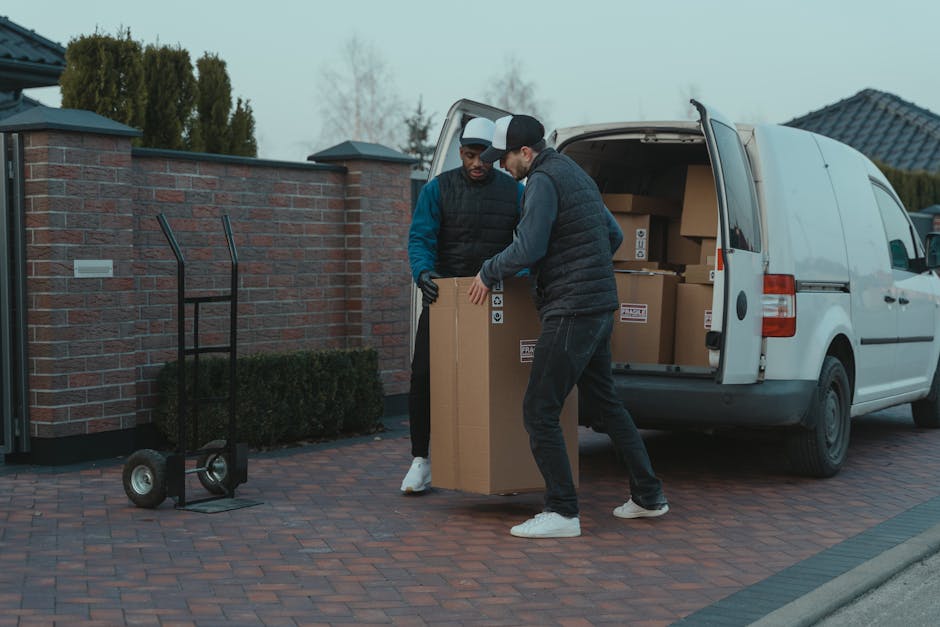
If you are moving house, clearing an office, or booking a van for a bulky furniture delivery, the last thing you want is a surprise knock-on delay because a parking bay is unavailable or a loading restriction was overlooked. That is exactly why Surrey Council moving van permits matter. In plain English, they help you understand when a van can stop, where it can wait, and what local rules may affect your move.
This guide explains the practical side of Surrey Council moving van permits: what they are, how they usually work, who needs one, what can go wrong, and how to plan a move without the day turning into a bit of a muddle. We will also look at best practice, compliance points, and the moving services that can make life easier if you are juggling boxes, stairs, and a tight time slot.
Truth be told, most people only think about parking once the van is already outside. Better to sort it early.
Why Surrey Council Moving Van Permits Matter
At first glance, a moving van permit can feel like one more admin chore added to an already noisy day. But it often protects the part of the move people forget most: the parking and access window. If the van cannot stop close enough to the property, every box becomes heavier, every trip takes longer, and you end up burning time and energy for no good reason.
In Surrey, as in many parts of the UK, local parking controls can affect residential streets, shared access roads, town centres, and controlled parking zones. A permit may be relevant when a vehicle needs to pause in a restricted bay, use a designated loading area, or support a timed move where the vehicle would otherwise risk a penalty notice or a complaint from neighbours. The details vary by council area, street layout, and the exact nature of the move, so it pays to check early rather than assume a quick drop-off will be fine.
There is also the people side of it. Building managers, neighbours, and local enforcement teams all tend to be more accommodating when a move is clearly planned. That sounds obvious, but in real life it makes a difference. A tidy plan reduces friction. And on moving day, less friction is gold.
If you are organising a home move, you may also find it useful to look at home moving support and house removalists if the job is bigger than one van can comfortably handle.
How Surrey Council Moving Van Permits Work
Most moving van permit arrangements are about permission to stop, load, or unload in a place where parking is normally limited or controlled. The council may issue a temporary permit, allow a dispensation, or require you to use a specific loading bay. The exact label varies, which is one reason people get confused. Same idea, different wording.
In practical terms, the process often involves identifying the move date, the vehicle size, the location, and the duration you expect to need. Some situations may also involve the property manager, landlord, or parking enforcement team if access is shared or the street has strict restrictions. If the move is commercial, additional considerations can arise around delivery windows, business premises access, and heavier vehicle use. For that sort of move, commercial moving support and office relocation services may be worth exploring.
Here is the key point: a permit is not usually a blanket pass to park anywhere. It is typically specific, time-bound, and subject to conditions. You may still need to leave room for traffic flow, emergency access, residents, and any marked bays or restrictions that apply. If your van is large, or if you are hiring one for the day, the vehicle dimensions can matter more than people expect. A compact street that looks manageable from a distance can suddenly feel very tight once the van is nose-in and the rear doors are open.
If you are using a vehicle hire option, it helps to compare your needs carefully. A smaller man and van arrangement may suit lighter loads, while a bigger moving truck or removal truck hire may be better for full-house or multi-room moves.
Key Benefits and Practical Advantages
Permit planning is not glamorous. It is just useful. And in moving, useful tends to save time, money, and stress.
- Better access close to the property - the van can stop nearer to the door, which cuts carrying distance and reduces damage risk.
- Lower risk of fines or complaints - you avoid awkward conversations and the kind of parking issue that can derail a tight schedule.
- Smoother loading and unloading - people can work faster when they are not wrestling with long walks to and from the van.
- More predictable timings - a planned bay or permit window helps you estimate how long the move will really take.
- Less stress for vulnerable items - furniture, mirrors, and boxed electronics are safer when the route from home to van is short and controlled.
One of the less obvious benefits is team coordination. If you are using packers, movers, or a hired driver, everyone knows where to go and when. That cuts the "which entrance are we using?" back-and-forth that always seems to happen five minutes after breakfast. If you are packing early, packing and unpacking services can take some pressure off the day before the van arrives.
It also helps when moving into a flat, terrace, or business unit with awkward access. Narrow roads, shared driveways, and limited frontage are common across Surrey. In those cases, the permit or parking plan becomes part of the move itself, not just a side note.
Who This Is For and When It Makes Sense
Not every move needs a permit, and that is worth saying clearly. If you have a driveway, a private loading area, or plenty of unrestricted roadside space, you may not need one at all. But the following situations often do justify checking:
- Home moves on restricted streets where parking controls, yellow lines, or controlled zones are in place.
- Flat moves with shared entrances, limited lift access, or a strict time slot for loading.
- Office relocations where business premises need a vehicle close by for fast turnaround.
- Furniture collection or delivery when a van must stop briefly near the property.
- Moves involving larger vehicles that need more room to manoeuvre safely.
If you are arranging a one-off collection, a dedicated furniture pick-up service can sometimes be a simpler route than hiring a van and discovering you also need parking permission, two people, and a trolley. To be fair, that is a very common pattern.
The decision often comes down to three questions: Can the van stop safely? Can the crew unload without blocking traffic? And will the stop break any local restrictions? If the answer to any of those is "not really", then a permit check is sensible.
Step-by-Step Guidance
Here is a practical way to handle the permit side of your move without overcomplicating it.
- Check the address and street restrictions early. Look at whether the property sits in a controlled parking area, has yellow lines, or uses marked bays.
- Confirm the type of vehicle. A man with van setup is very different from a long wheelbase van or removal truck, and the parking space needs to suit the vehicle size.
- Estimate the loading time honestly. People often underestimate how long stairs, lifts, and awkward furniture will take. Add a buffer.
- Decide whether the move is residential or commercial. Business premises can have different access needs, delivery time windows, or landlord rules.
- Speak to the council or property manager where needed. Some streets need a formal permit or dispensation, while private estates may have their own rules.
- Book the moving support to fit the access plan. If the road is tight, a smaller vehicle and a well-timed crew can be more effective than a bigger rig squeezed into the wrong spot.
- Prepare the property for a quick load-out. Clear hallways, reserve lifts where possible, and keep boxes grouped by room so the stop time is shorter.
- Keep paperwork and confirmation handy. If any approval is issued, have it accessible on the day. A screenshot in your phone and a printed copy are both sensible.
There is a nice little bit of discipline in this. Once the access plan is sorted, the rest of the move starts behaving itself. Not perfectly, obviously. Moving day still has opinions. But it behaves better.
Expert Tips for Better Results
After enough moving days, a pattern emerges. The moves that feel calm are usually the ones where access was treated as a serious task rather than a last-minute nuisance.
First tip: measure the route, not just the van. Think about kerbs, turning space, bollards, low branches, basement ramps, and how far the furniture has to travel once it is out of the vehicle. A parking spot that seems convenient can be a poor fit if the front door is around a blind corner.
Second tip: match the service to the access. A compact van can be brilliant in a crowded Surrey street. A bigger truck can be more efficient for a large house, but only if the street will take it. If you need help choosing, the pages on man with van and removal truck hire are useful starting points.
Third tip: protect the loading window. Keep children, pets, and unrelated errands out of the way. If the van is due at 8am, try to have the kettle off and the key documents ready the night before. You will thank yourself later. Probably at 8:07am.
Fourth tip: coordinate with neighbours when appropriate. A quick heads-up can reduce surprises, especially on narrow residential roads where temporary obstruction is hard to avoid. It is not always necessary, but it is often appreciated.
Fifth tip: build in a little slack. Traffic, lift delays, and the inevitable missing shoe are all part of real moving life. Extra time is not wasted time. It is the difference between controlled and chaotic.
Common Mistakes to Avoid
Most moving-day problems are avoidable. The same few mistakes crop up again and again, and they tend to cost more than the effort of preventing them in the first place.
- Leaving parking checks until the day before - by then, options are narrower and stress is higher.
- Assuming every Surrey street works the same way - local restrictions can differ even between nearby roads.
- Booking the wrong vehicle size - too large can create access issues; too small can mean extra trips.
- Ignoring loading time - stairs, lifts, and bulky furniture can eat into the window fast.
- Forgetting business or building rules - a council allowance does not always override private-site rules.
- Not preparing the property - clutter in hallways slows everything down and makes the permit window less useful.
One quiet mistake is overconfidence. People sometimes think, "It's only ten minutes, what could go wrong?" Well, ten minutes on a controlled street can be exactly long enough for trouble if you have to shuffle the van three times and hunt for a trolley wheel that has gone rogue. Happens more than you would think.
Tools, Resources and Recommendations
You do not need a massive toolkit for this, but a few practical things make the process easier:
- Phone notes for street restrictions, permit conditions, and contact names.
- Printed confirmations in case mobile signal is poor on the day.
- Basic measuring tape to check furniture dimensions and tight doorways.
- Floor plan or rough sketch for flats, offices, and multi-room houses.
- Box labels so the loading order makes sense when the van is open.
- Protective materials for furniture, corners, and fragile items.
If you want a move that is less frantic overall, it may be worth using a service that combines planning, loading, and transport. A good man and van setup can be ideal for smaller loads, while larger properties may benefit from home moves support. For businesses, the structure of commercial moves or office relocation services can reduce downtime and keep staff out of the chaos.
On the trust side, it is also sensible to read the provider's terms and conditions and privacy policy before sharing details or confirming a booking. It sounds dry, but it saves awkward misunderstandings later.
Law, Compliance, Standards, or Best Practice
Parking and moving access in Surrey can involve a mix of local parking rules, traffic management considerations, and private-site conditions. The exact requirements depend on the council area, the street, and the property. Because of that, it is best to treat any permit or dispensation as location-specific rather than assume one rule fits every street.
Good practice usually means three things. First, do not block access more than necessary. Second, keep to the time period allowed. Third, make sure the vehicle and activity match the approval you have been given. If a restriction exists, the safest assumption is that it exists for a reason, even if the street looks quiet at 11am on a Tuesday.
For households and businesses alike, the practical standard is simple: plan the stop, keep the pavement clear where possible, and leave room for others to pass. If you are using a larger van or truck, extra caution helps avoid tension with residents and reduces the risk of disruption. This is especially important around narrow lanes, shared driveways, and busy high streets.
When in doubt, check before the move rather than during it. That is not just best practice; it is the difference between a tidy loading process and a panicked reshuffle with the hazard lights on.
Options, Methods, or Comparison Table
There are usually a few ways to handle access for a move. The right one depends on street layout, vehicle size, and how much furniture you are moving.
| Option | Best for | Pros | Watch-outs |
|---|---|---|---|
| Temporary permit or dispensation | Controlled streets, timed loading, short residential moves | Closer access, clearer planning, lower risk of parking issues | May be time-limited and location-specific |
| Standard roadside parking | Unrestricted streets with enough space | Simple and flexible if space is available | Not suitable if restrictions apply or traffic is heavy |
| Small van with flexible access | Smaller loads, single-room moves, furniture pick-ups | Easier to manoeuvre in tight streets | May need more trips for larger moves |
| Large removal truck | Full-house or office moves | More efficient for bigger loads | Needs more space and stronger access planning |
In real life, the choice is often not about perfection. It is about choosing the least stressful option that actually fits the street. A smaller vehicle with a clean loading plan can beat a larger one that has to circle the block twice and still cannot stop where you want it.
Case Study or Real-World Example
Imagine a couple moving out of a second-floor flat near a busy Surrey high street. They have a sofa, a bed, several boxes of kitchenware, and a fridge that has looked bigger every time they measured it. They booked a van, but on the morning they realise the nearest unrestricted bay is around the corner, and the lift is small and slow. Not ideal.
Instead of forcing the van into a poor spot, they check the street rules, confirm the loading area, and adjust the timing so the vehicle can stop briefly near the entrance. The movers use a clear route from flat to van, the hallway stays tidy, and the heavier items go out first. It is still a moving day, so there is noise, sweat, and a bit of muttering under breath, but the whole thing is controlled.
Now compare that with a version where nobody checks anything. The van parks badly, a neighbour complains, the crew has to shift position twice, and one person is left carrying boxes farther than necessary. Same flat. Same furniture. Different outcome because the access plan was different.
That is why Surrey Council moving van permits are not just paperwork. They are part of the moving strategy.
Practical Checklist
Use this checklist before moving day. It is simple, but honestly, simple is good.
- Confirm the move date and access window.
- Check whether the street has parking controls or loading restrictions.
- Work out the vehicle size you will actually need.
- Ask whether a permit, dispensation, or loading arrangement is required.
- Make sure the building, landlord, or site manager is aware if needed.
- Reserve lifts or access points where relevant.
- Label boxes by room and priority.
- Keep fragile items and documents separate.
- Plan where the van will stop and how the crew will carry items.
- Have confirmation details ready on your phone and, if possible, on paper too.
- Build in extra time for traffic, stairs, and awkward furniture.
Expert summary: the best moving day is rarely the one with the fanciest vehicle. It is the one with the cleanest access plan. Sort the stop, sort the load, and the rest usually follows more smoothly than you expect.
Get a free quote today and see how much you can save.
Conclusion
Surrey Council moving van permits are about making a practical job easier, safer, and less stressful. If your move involves restricted parking, a narrow street, a timed loading bay, or a larger van than usual, checking the permit side early is one of the smartest things you can do. It protects your schedule, reduces avoidable stress, and gives the move a proper structure.
Whether you are moving a flat, a family home, an office, or just a few bulky pieces of furniture, the same principle applies: plan the access first, then plan the lifting. That one change can save you a surprising amount of hassle. And, to be fair, there are enough moving-day hassles already.
If you are still weighing up the best approach, start with the vehicle and access requirements, then choose the moving support that fits the street, not the other way around. A little preparation goes a long way. Sometimes it is the quiet little decisions that make the biggest difference.
Frequently Asked Questions
Do I always need a Surrey Council moving van permit?
No. If your property has private parking, a driveway, or unrestricted roadside space, you may not need one. The need usually depends on local parking controls, loading restrictions, and how long the van must stop.
How far in advance should I check for permit requirements?
As early as possible. A few days may be enough for a simple move, but leaving it until the last minute can make things awkward. Early checks also give you time to adjust vehicle size or loading plans if needed.
Is a permit the same as permission to park anywhere?
No. A permit or dispensation is usually limited by time, location, and purpose. It may allow loading or unloading only, and it still has to fit within the local restrictions that apply to the street.
What happens if I park the moving van without checking first?
You could face a parking issue, a complaint, or a delay if the space is not suitable. Even if you avoid a penalty, the move may become slower and more stressful than it needed to be.
Do larger vans need more planning than smaller ones?
Usually yes. Bigger vehicles are harder to place in narrow streets and may need more room to load safely. A small van can be easier to manage in tight Surrey roads, while a removal truck is better for larger jobs if access allows it.
Are office moves treated differently from home moves?
Often they can be. Offices may have business access windows, building management rules, or delivery bay restrictions. If you are relocating a workplace, it is worth checking access well before the move day.
Can a furniture collection also need a permit?
Yes, especially if the vehicle needs to stop in a controlled area or on a busy road. Even a short furniture pick-up can run into access issues if there is no safe loading space nearby.
What is the safest way to avoid moving-day parking problems?
Check the street restrictions early, match the vehicle to the space, and keep the loading route short and clear. In many cases, planning the stop is just as important as planning the boxes.
Should I read the moving company's terms before booking?
Yes, that is a sensible habit. The terms and conditions can clarify what is included, what access is expected, and how changes or delays are handled.
What if I am not sure whether my road is restricted?
If you are unsure, treat it as a warning sign and check before the move. Streets that look straightforward can still have controlled parking, loading limits, or private access rules that are easy to miss.
Is there a difference between a man and van and a removal truck for permit planning?
Yes. A man and van setup is usually better for smaller, more flexible loads, while a removal truck suits larger moves but needs more space and more careful access planning. The vehicle choice can change whether a permit or loading arrangement is needed.
Can moving support help reduce the need for a permit?
Sometimes, yes. A smaller vehicle, a faster loading plan, or a better-timed crew can reduce the pressure on restricted streets. That said, if a permit is required, it is better to handle it properly than hope for the best.